

Speaking in Code: Language, Identity, and the Banchhada Community
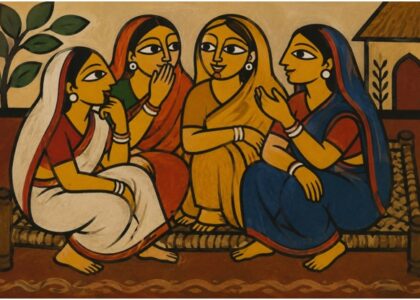
Language does more than carry information. It tells you who someone is, where they belong, and who they trust. Every community develops its own way of speaking particular words, rhythms, and references that mark insiders and exclude outsiders. This is not accidental. Sociolinguists have long argued that speech is a social practice, shaped by power, context, and relationships rather than by grammar alone. When a group faces surveillance, stigma, or exclusion, language adapts. It becomes layered. Meaning gets coded, shared only with those who already know. In marginalized communities especially, how people speak is inseparable from how they survive. The Banchhada community of central India is one such case, a group whose language carries not just vocabulary, but history, protection, and identity simultaneously.

